
The Art of Power: Hassan Sheikh Mohamud’s Tactical Reign
By: Hon. Hassan Haji | Date: 23/08/2025 | Email: hassan.haji@me.com | Tel: +252612399777
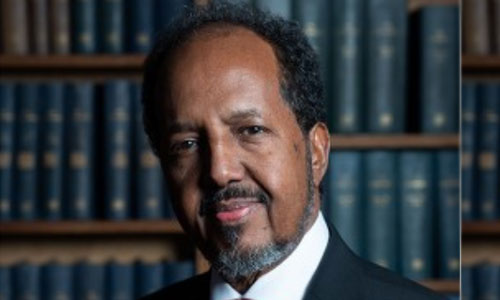
President Hassan Sheikh Mohamud (HSM) has long stood apart in Somali politics, not for fiery rhetoric or populist charisma, but for his tactical brilliance and unmatched ability to lobby, manoeuvre, and consolidate power. His ascent to the presidency has been shaped not by revolutionary fervour but by a calculated mastery of political terrain and a survival instinct.
A Strategist in the Shadows
Unlike many of his contemporaries who sought legitimacy abroad or joined resistance movements, HSM remained in Somalia during its most volatile years, surviving under warlord rule. He distanced himself from the Islamic Courts Union, choosing instead to observe from the sidelines. He studied their structure, their rise, and the path that led Sharif Sheikh Ahmed to power, then used that knowledge to position himself as Sharif’s successor.
His initial presidency ended in defeat, but HSM quickly regrouped. He identified the Daljir team as a key factor in his loss, highly organised but internally divided, lacking a unified ambition to claim the presidency. Though he had sidelined them during his first term, he later drew them closer, persuading them to abandon their brand and neutralising their disruptive potential.
Return to Power
During the final years of President Farmaajo’s tenure, HSM remained in Mogadishu, unlike Farmaajo and Sheikh Sharif, who distanced themselves. He galvanised the opposition, applying unprecedented pressure on the government. His efforts drew national and international attention, ultimately forcing Farmaajo to abandon his flagship “one person, one vote” initiative in favour of indirect elections, clearing the path for HSM’s return.
Yet, upon reclaiming the presidency, HSM surprised many by implementing much of Farmaajo’s agenda, including the controversial Gedo policy. His appointment of Hamza Abdi Barre as Prime Minister, an overlooked loyalist from his first term, ensured a quiet, compliant administration. Hamza’s unwavering loyalty allowed HSM to govern without internal resistance.
Consolidating Institutional Power
HSM’s fortune continued when Sheikh Adan Madobe, after years of political marginalisation, rose to the speakership of Parliament. Traditionally reserved for candidates from Southwest State, the role lacked credible contenders this time. HSM seized the opportunity, endorsing a speaker whose priorities centred on financial stability and personal incentives. By securing both, HSM effectively neutralised legislative threats.
The election of Deputy Speaker Madam Sadia, a trusted confidante and fellow party member, further consolidated his grip. Together, they transformed Parliament from a potential check on executive power into a loyal extension of HSM’s administration.
Fragmenting the Opposition
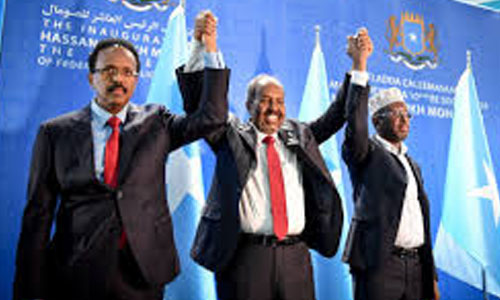
As opposition voices grew louder under mounting international pressure, HSM extended a formal invitation to dialogue, only to stall, adjourn, and ultimately dismantle their cohesion. He exploited internal divisions and the lack of a unified national agenda beyond the singular goal of unseating him.
His posture toward Puntland suggests a strategy of isolation. Yet, the threat remains: if Said Abdullahi Deni chooses to unify and sponsor the opposition, he could forge a formidable force capable of challenging HSM’s dominance.
A Fragile Balance
Though HSM has skillfully navigated Somalia’s political turbulence, cracks are beginning to show. He appears increasingly unable to keep the opposition at bay. Pressure from the international community is intensifying, with growing calls both domestic and foreign for member state elections to be held without delay.
HSM now faces a critical dilemma: if he concedes to the opposition’s demands and agrees to amend the contested constitutional chapter, he risks losing the support of his strategic alliance with the three member state presidents. The stakes are high, and his next move could redefine Somalia’s political landscape.
Who Can Stop HSM?
The opposition needs more than slogans; it requires a figure of strategic depth, disciplined resolve, and the ability to navigate Somalia’s fractured terrain. In the absence of meaningful engagement from Farmaajo and Deni, opposition momentum remains weak and fragmented.
Will Farmaajo return to Mogadishu, rebuild his networks, and re-emerge as a counterweight capable of challenging HSM and exacting political retribution? Until such a figure steps forward, Hassan Sheikh Mohamud remains unchallenged and firmly in control.